

Views: 0 Author: Site Editor Publish Time: 2026-09-02 Origin: Site
The most reliable farm tractor is not defined by one badge, one horsepower figure, or the lowest purchase price. It is the tractor that consistently completes your actual work with minimal downtime, has the right power and traction for the terrain, accepts the implements you need, and can be maintained with readily available parts and support.
For many farms, the most reliable choice is a well-built 4WD diesel tractor with a proven mechanical layout, sufficient power reserve, compatible hydraulics and hitch, and a maintenance plan that starts on day one. A smaller tractor that is routinely overloaded can become less reliable than a properly sized machine, while an oversized tractor can waste fuel and add unnecessary operating cost.
A tractor works reliably when it is matched to its workload. Before comparing models, list the jobs that matter most during your busiest season: plowing, rotary tillage, mowing, planting, spraying, hauling, loader work, or transport. Then identify the heaviest implement, the toughest soil, and the steepest terrain the tractor must handle.
The right machine should perform these jobs without constantly operating at its limit. A tractor with adequate engine power, stable traction, and suitable implement capacity experiences less strain on the engine, transmission, hydraulics, and driveline. This helps reduce wear and gives the operator a more predictable working experience.
Reliability should therefore be evaluated as a system:
Reliability factor | What to check | Why it matters |
Engine power reserve | Horsepower matched to the heaviest regular task | Reduces overload and maintains steady output |
Drivetrain | 4WD, gearbox range, axle strength, and differential function | Supports traction and durability in demanding ground conditions |
Hydraulic system | Lift capacity, hydraulic response, and remote outlets | Ensures implements work safely and efficiently |
Chassis and weight | Frame strength, balance, clearance, and wheelbase | Improves stability and supports heavy attachments |
Parts and service | Manuals, warranty terms, technical support, and spare-part availability | Limits downtime when maintenance or repairs are needed |
Operator care | Cabin, controls, visibility, and seat comfort | Helps operators work accurately and notice issues early |
For farms that work in loose soil, wet ground, slopes, orchards, or uneven fields, 4WD can be an important reliability feature. It improves traction by sharing driving force across all four wheels, helping the tractor move and pull implements with less wheel spin.
Less wheel spin does more than improve productivity. It can reduce unnecessary tire wear, avoid repeated attempts to pull a load through difficult ground, and help the tractor maintain a steadier working speed. On hilly land, 4WD can also improve control and confidence when carrying equipment or towing a loaded trailer.
However, 4WD does not replace proper tractor sizing. A compact 4WD tractor can be highly dependable for light mowing, orchard work, small plots, and material handling. Heavy tillage, large implements, and commercial transport require a stronger chassis, higher horsepower, and enough tractor weight to transfer power safely to the ground.
Farm size is useful, but it is not enough to determine the most reliable tractor. Two farms with the same acreage may need very different machines. One may perform light mowing on flat land; the other may pull tillage equipment through dense soil and move harvested crops every day.
As a practical starting point:
50–60 HP: Suitable for small farms, gardens, light cultivation, mowing, orchard tasks, and general utility work with appropriately sized implements.
75–90 HP: A versatile range for mixed farms that need more pulling power, loader capability, transport performance, and regular field work.
100–120 HP: Better suited to demanding medium-to-large operations, heavier implements, broader tillage tools, and longer workdays.
150 HP and above: Designed for large-scale work where deep tillage, heavy towing, large implements, and difficult terrain require substantial power and traction.
The engine should have enough reserve power to handle changing conditions. A field may become wetter, soil may be more compacted than expected, or an implement may carry a heavier load. Selecting horsepower only for ideal conditions can lead to frequent high-load operation, increased fuel use, and faster component wear.
A reliable tractor should have a durable engine, but engine quality alone is not enough. Reliability is also shaped by the systems that transfer power and control the work.
A diesel engine with stable power delivery and an effective cooling system is essential for long workdays. Check the cooling layout, air-filter access, fuel filtration, and daily fluid-inspection points. Simple, routine maintenance tasks should be easy to perform because neglected filters, low coolant, and contaminated fuel can shorten the life of even a well-designed engine.
The best transmission is the one that suits the work. Field operations often need low, controlled speeds, while transport requires practical road gearing. A suitable number of forward and reverse gears allows the operator to match ground speed to the implement instead of forcing the engine or clutch to compensate.
For example, a tractor with an 8+8 or 12+12 gearbox provides useful flexibility across general farm tasks. Larger machines working with demanding implements may benefit from wider gear options and stronger driveline design. Test the shifting feel, clutch engagement, reverser operation, and whether the tractor can hold a steady speed under load.
Hydraulic reliability is critical because many farm jobs depend on lifting, lowering, steering, and operating attachments. Check the three-point hitch category, lift capacity, hydraulic outlets, and compatibility with your current and planned implements.
A reliable tractor should lift an implement with a comfortable margin rather than just meeting the minimum requirement. It should also keep the implement stable during transport and respond predictably when adjustments are made in the field.
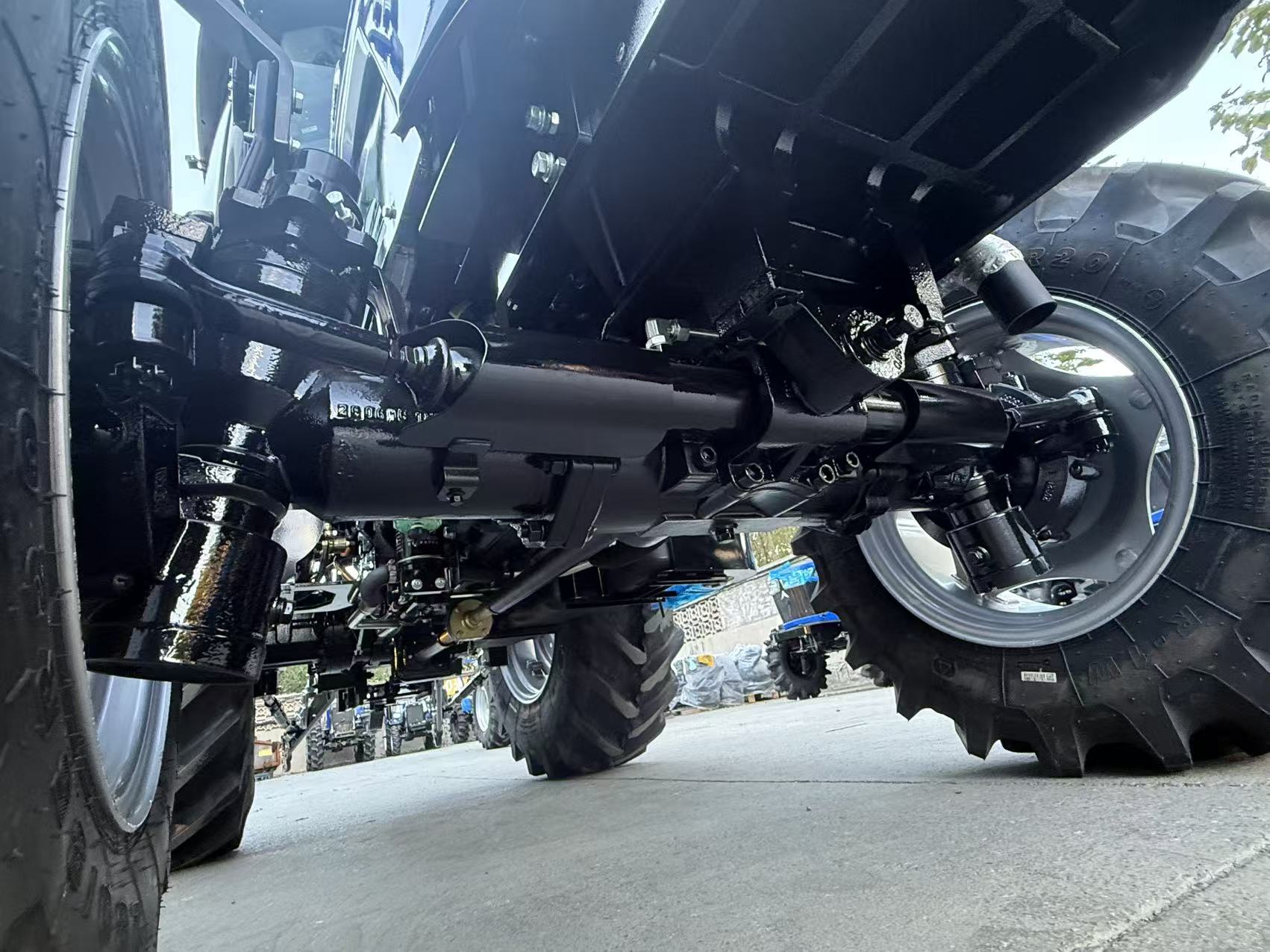
The structural foundation of the tractor determines how well it handles repeated heavy work. Look for an appropriately weighted chassis, strong front axle, sound steering response, and tires selected for the ground conditions. Dryland, paddy-field, and radial tire options each serve different operating needs.
For muddy fields, traction and flotation are especially important. For rocky or uneven terrain, ground clearance, underbody protection, and a robust axle arrangement matter more. In orchards and narrow working areas, maneuverability and overall width may be more important than maximum horsepower.
A new tractor gives the buyer a known starting point, current safety features, a warranty, and a clearly defined maintenance schedule. It is often the lower-risk choice when seasonal deadlines make downtime especially expensive.
A used tractor can also be reliable, but its condition must be verified carefully. Hours alone do not tell the full story. A machine with documented servicing, clean fluids, sound hydraulics, and consistent operation may be a better choice than a newer tractor with poor maintenance history.
When inspecting a used tractor, check:
Starting performance when cold and warm
Exhaust appearance and unusual engine noise
Oil, coolant, and hydraulic-fluid condition
Gear engagement, clutch response, and PTO operation
Hydraulic lift speed and ability to hold a load
Tire condition, wheel hardware, steering play, and brake function
Signs of leaks, corrosion, improvised repairs, or damaged wiring
Service records, spare-part availability, and support options
A professional inspection is worthwhile when the tractor will become a core part of your operation. The cost of identifying a major transmission, hydraulic, or engine issue before purchase is much lower than losing workdays during the season.
Even the most dependable tractor needs regular care. Reliability improves when small issues are found early rather than after they cause an unexpected stoppage.
Build a simple schedule around daily, seasonal, and annual checks. Daily checks may include engine oil, coolant, fuel quality, tire condition, leaks, air-filter restriction, and visible damage. Seasonal servicing should address filters, lubricants, belts, battery condition, implement connections, and electrical functions. Keep a service log with dates, operating hours, parts changed, and any recurring symptoms.
Storage also matters. A tractor protected from prolonged rain, dust, and sun is easier to keep in working condition. Clean mud and crop residue from radiators, guards, and moving components after demanding work. Before long-term storage, follow the manufacturer’s procedure for fuel, battery, lubrication, and corrosion protection.
A tractor is only as reliable as the support available when it needs attention. Before buying, ask how quickly common maintenance parts can be supplied, whether technical guidance is available, and what warranty coverage applies. Confirm that the manufacturer can provide operating documentation and configuration advice for the terrain and implements you use.
For buyers seeking a broad horsepower range and configurable farm equipment, explore Agrotianda’s tractor range. The range covers tractors from 50 HP to higher-power 4WD models, with options designed around different farming conditions and implement needs.
There is no universal “most reliable” tractor for every field. The best choice depends on the following questions:
1. What is the heaviest task the tractor will perform regularly?
2. Which implement sets the minimum horsepower, lift capacity, and PTO requirements?
3. Is the land flat, wet, hilly, compact, narrow, or uneven?
4. How many hours will the tractor work during peak season?
5. Does the farm need a loader, cabin, additional hydraulic outlets, or transport capability?
6. Can the operator complete routine maintenance easily?
7. Are spare parts and technical support available when required?
A small farm may be best served by a maneuverable 50–60 HP tractor. A mixed operation may need the flexibility of a 75–90 HP 4WD model. Heavy cultivation and large-scale commercial work may justify a 120–150 HP tractor with a stronger chassis, enclosed cabin, and more substantial hydraulic and drivetrain capacity.
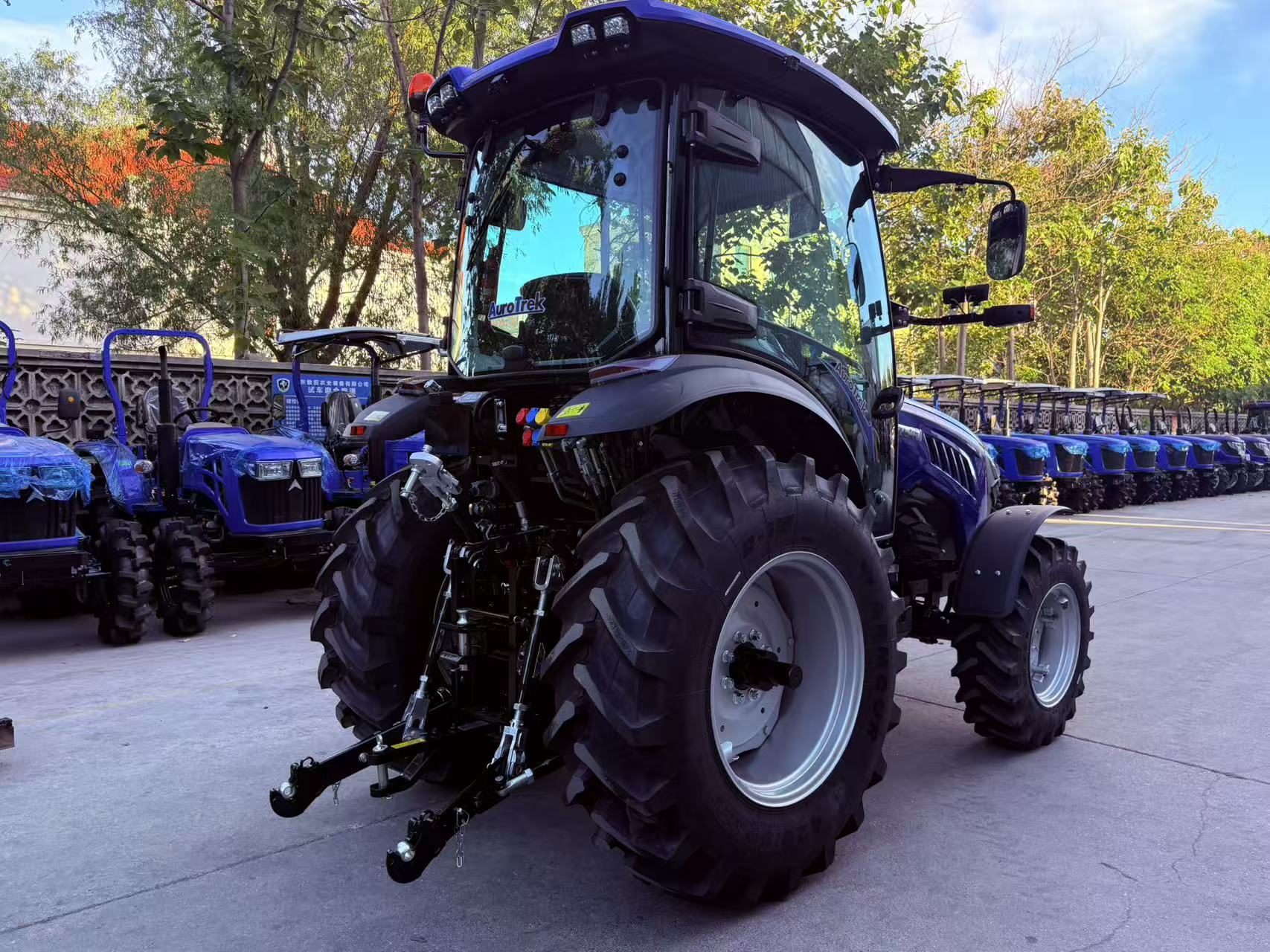
For an example of a configuration intended for heavy field work, the 150HP 4WD heavy-duty farm tractor combines 4WD traction, a diesel engine, an enclosed cabin, and a three-point hitch for demanding implement use.
The most reliable farm tractor is the one that is correctly sized, mechanically well-supported, and maintained consistently. Prioritize power reserve, 4WD traction where conditions require it, hydraulic and hitch compatibility, robust construction, and access to genuine parts and technical support.
Do not choose solely by horsepower or purchase price. Choose the machine that can complete your hardest routine job without strain, work safely on your terrain, and remain practical to service over its full working life.
Not automatically, but 4WD is often the more dependable working configuration in soft, wet, sloped, or uneven conditions because it improves traction and reduces wheel slip. On flat, dry land with light work, a properly maintained 2WD tractor may be entirely suitable.
It depends on the implement and workload. The key is not to select the lowest possible horsepower. Choose enough power reserve for the heaviest regular task, difficult soil conditions, and future equipment needs.
A straightforward mechanical layout can be easier to inspect and maintain. However, simplicity should not mean sacrificing essential safety, hydraulic capacity, traction, or operator control. The most reliable design is one that balances practical operation with the features your farm truly needs.
There is no single task, but regular checks of oil, coolant, air filtration, fuel quality, and hydraulic fluid prevent many avoidable problems. Following the service intervals in the operator’s manual is the best foundation for long-term reliability.
Service life varies with workload, maintenance quality, operating conditions, and rebuild history. A tractor that receives correct servicing and is not routinely overloaded can continue providing useful work for many years.
Choose new when warranty coverage, known condition, and predictable support are priorities. Choose used only after a careful mechanical inspection, verification of maintenance history, and confirmation that parts and service support remain available.


