

Views: 0 Author: Site Editor Publish Time: 2026-04-15 Origin: Site
Tractors are the cornerstone of modern agriculture, and their importance cannot be overstated. They are not merely tools for replacing human and animal labor but are essential for achieving efficient, precise, and large-scale agricultural production. From plowing, seeding, and cultivation to harvesting and transportation, almost every field operation relies on the traction and power output provided by tractors. In essence, the prevalence of tractors directly reflects the level of agricultural modernization in a country or region. They have dramatically increased land productivity and labor efficiency, serving as the core machinery for ensuring food security and addressing population growth and structural labor shortages.
Whether it's wheeled tractors traversing vast plains or crawler tractors demonstrating their prowess in muddy paddy fields and rugged slopes, together they form the mechanized backbone supporting global food production. With advancements in intelligent and information technologies, modern tractors are progressively evolving into "smart mobile terminals" that integrate navigation, variable-rate operation, and data collection. They are playing an increasingly vital role in the development of precision and sustainable agriculture.
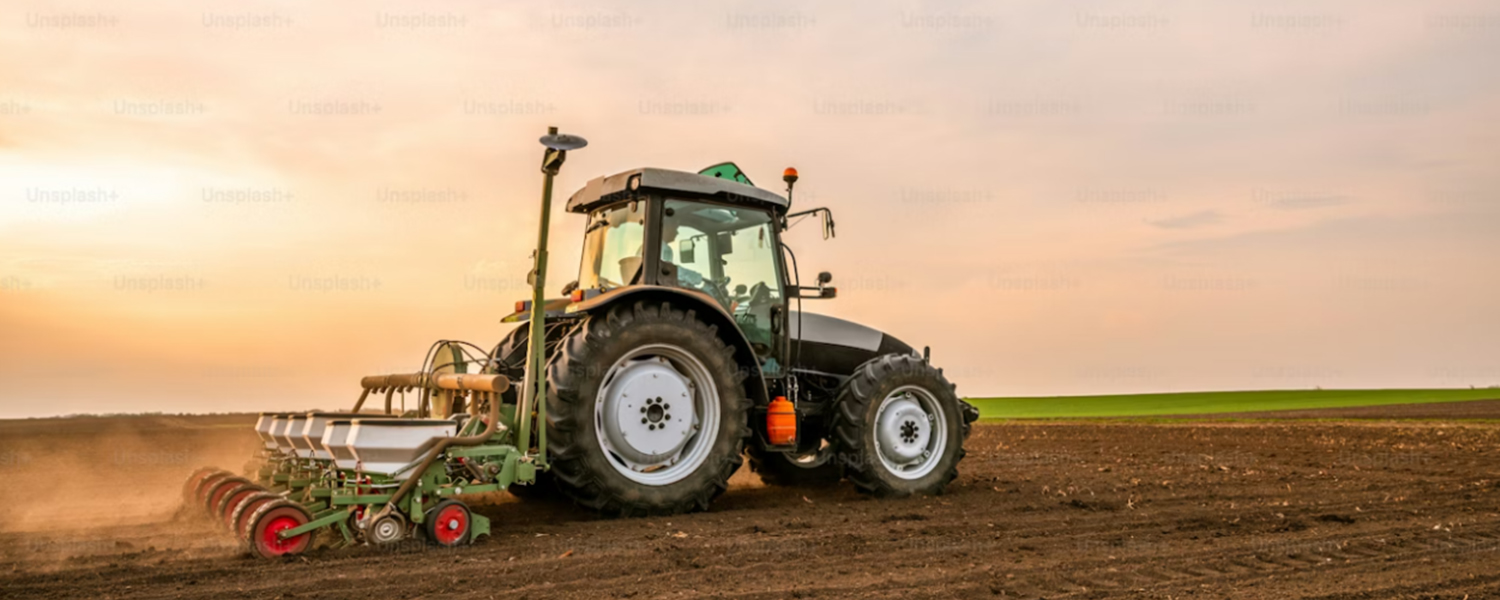
A tractor is a self-propelled power unit and essential agricultural machinery, designed to mechanize a wide range of operations. Its core function is to pull and drive various implements for tasks such as plowing, tilling, planting, cultivating, and harvesting. Beyond fieldwork, it is also used in construction, landscaping, and material handling.
Modern tractors incorporate advanced technologies like GPS guidance and continuously variable transmissions, significantly boosting efficiency. They are powered primarily by four-stroke, liquid-cooled diesel engines, which deliver high torque at low speeds—a critical feature for heavy pulling. A key component is the power take-off (PTO) shaft, which transfers engine power to attached machinery. Available in diverse sizes from compact to large-scale models, tractors serve as versatile power sources for both mobile and stationary applications.
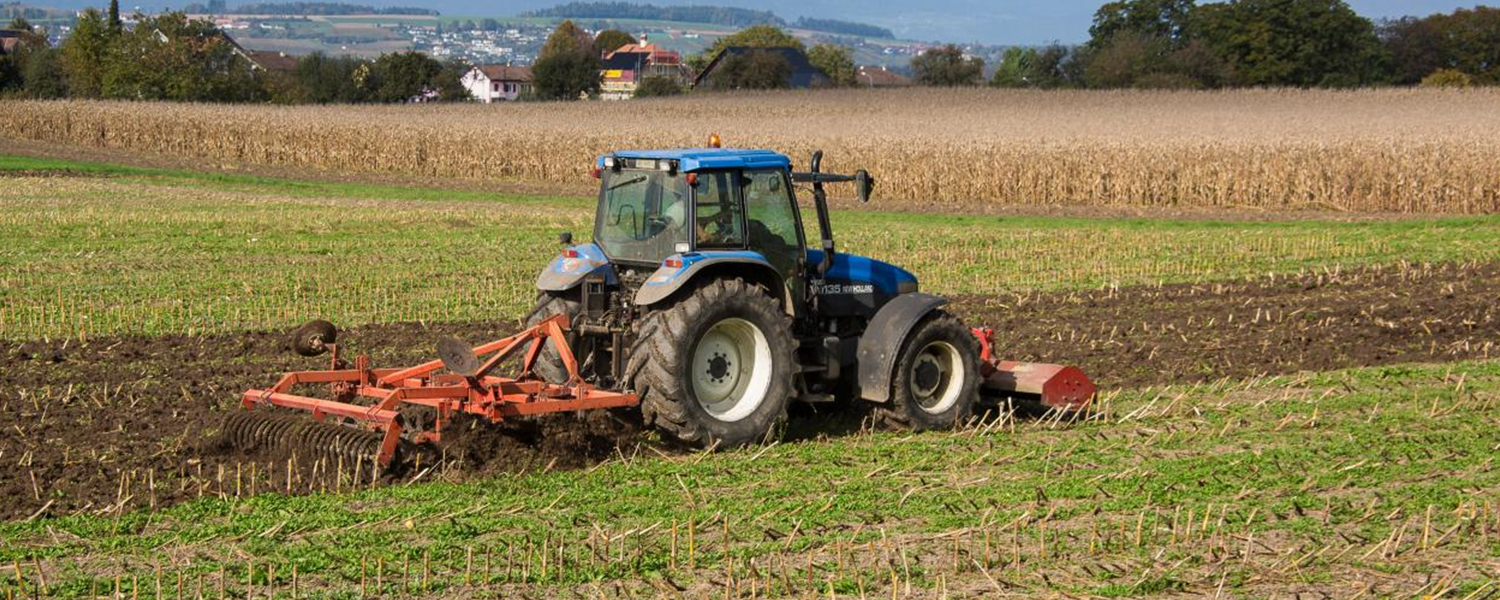
In 1919, Nebraska, United States, enacted the Tractor Test Act, requiring every tractor sold within the state to undergo standardized performance testing. This procedure evolved into a widely recognized performance test report, and it became customary for global manufacturers to send their machines to Nebraska for evaluation before commercial release. By 1925, the Power Take-Off (PTO) had gained widespread adoption; shortly afterward, the ASAE established 540 rpm as the benchmark speed, mandating that all rotary implements be engineered to match this specification for consistent performance. More recently, growing demand for high-speed implements has led to the introduction of a secondary PTO shaft standard of 1000 rpm, designed to deliver increased rotational power for faster-operating attachments.
Tractors need substantial traction to pull agricultural implements, so their frames are built heavy to maintain stability and minimize slippage. To enhance grip, manufacturers typically enlarge and widen the wheels. During the steam-engine era, iron wheels were standard; these often featured flanges or spikes on the tread—similar in principle to spiked racing shoes—to boost traction on soft ground. By the 1930s, rubber tires replaced iron ones, reducing overall weight and improving maneuverability. To retain the spike-shoe effect, tire designers added raised lugs around the circumference, creating what became known as lug tires.
The use of tracks enhances traction by providing a continuous, solid path for wheels to roll over, which can then be retracted for reuse once the wheels have passed. This enables wheeled vehicles to traverse extremely poor terrain with minimal difficulty. Tracked tractors originated largely from military needs, as such machinery is engineered to operate reliably over undefined or rugged landscapes. When fitted with artillery, they function as combat vehicles; when equipped with harvesting implements, they serve as agricultural machines. Consequently, many European manufacturers of farm equipment are also engaged in arms production—reflecting the shared structural demands of heavy agricultural machinery and cannon systems.
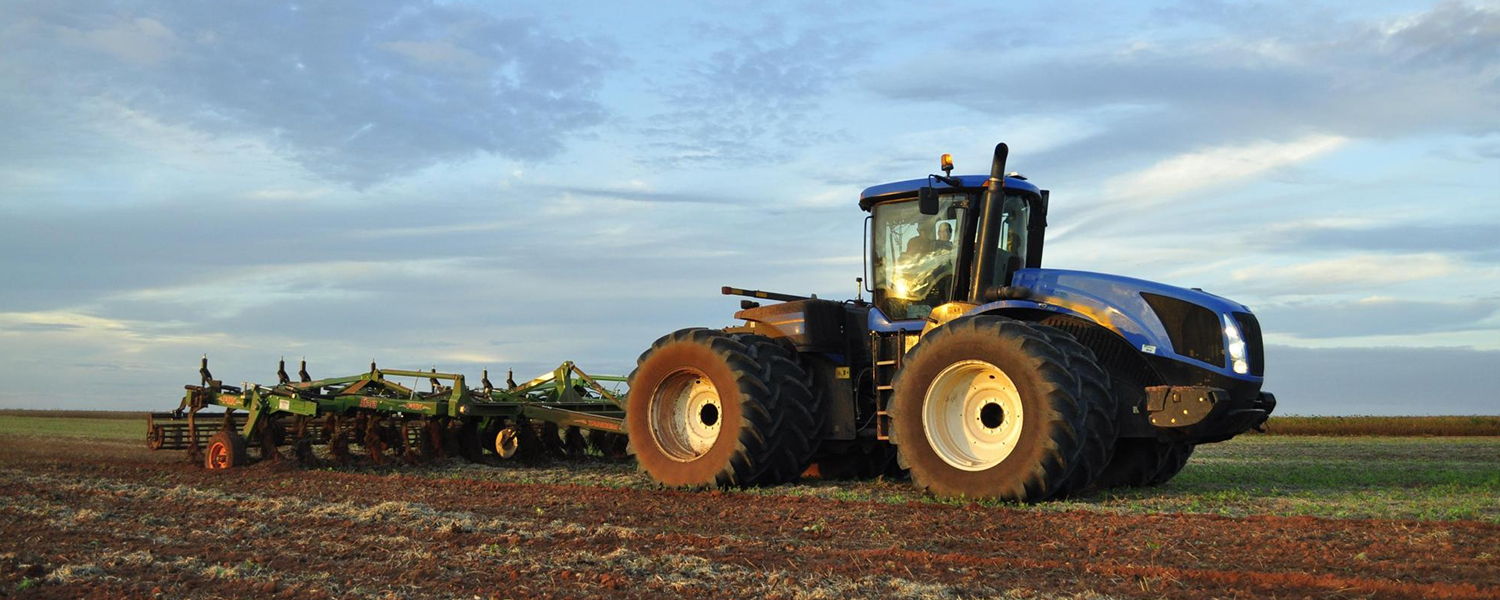
A tractor's core function is to convert fuel into high-torque mechanical power, enabling it to perform heavy-duty tasks that ordinary vehicles cannot. It achieves this through a streamlined, four-step operational flow. First, a durable diesel engine (chosen for efficiency and endurance) burns fuel to generate power. This mechanical energy is then transferred to a robust transmission system, which adjusts the output and directs it to the axles. The axles, in turn, drive the large, deep-treaded rear wheels, providing the substantial traction needed to navigate difficult terrain. Finally, surplus power is channeled to attached implements via two key systems: the Power Take-Off (PTO) shaft directly drives tools like plows and mowers, while a hydraulic system uses fluid pressure to provide precise control for lifting, lowering, and adjusting attachments. This integrated design, which prioritizes pulling force over speed, makes the tractor an indispensable and versatile machine for agriculture, construction, and land management.
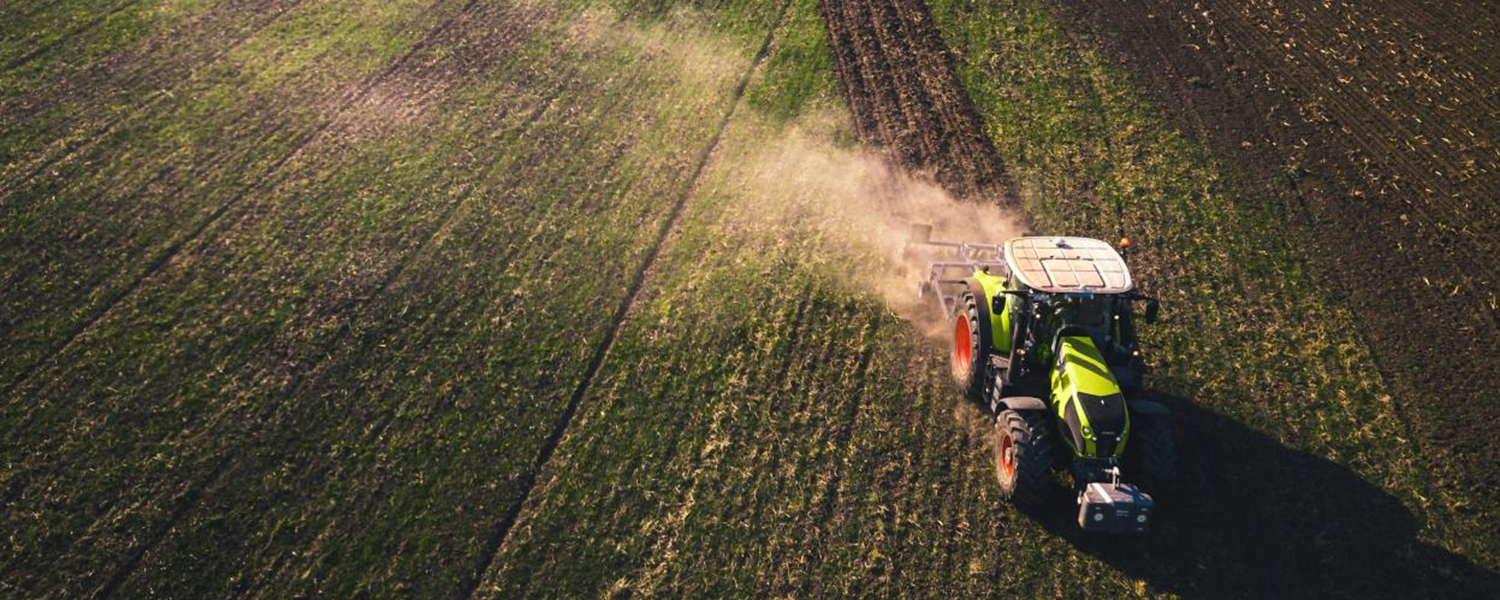
Operating a tractor efficiently and safely requires a structured, four-step workflow centered on preparation, control, and attentiveness.
Step 1: Comprehensive Pre-Use Preparation
Prior to starting the engine, a full inspection is mandatory. This includes verifying fluid levels for the engine, cooling, hydraulic, and fuel systems. Tires and brakes should be examined for proper condition and function. Crucially, confirm the Power Take-Off (PTO) is disengaged and that any attached implements are securely fastened. A final scan of the surrounding area for hazards is essential.
Step 2: Controlled Startup and Movement
Ensure you are securely seated with the seatbelt fastened. For manual transmissions, fully press the clutch pedal, confirm the gear selector is in neutral, and start the engine. Allow a brief warm-up period. To initiate movement, press the clutch, select an appropriate low gear, release the parking mechanism, and gently coordinate releasing the clutch with applying throttle. Operate the steering with smooth inputs, accounting for the machine's wide turning radius.
Step 3: Implement Attachment and Use
When connecting tools, always do so with the engine off, securing the three-point linkage and PTO shaft as required. During operation, activate the PTO at minimal engine speed before increasing to the recommended operating RPM. Maintain a consistent, task-appropriate ground speed and remain alert for any unusual vibrations or performance from the attachment.
Step 4: Safe Conclusion of Work
Exercise particular caution on inclines to maintain stability. To stop, reduce engine speed, apply the clutch and service brakes simultaneously, and shift to neutral. For final parking, engage the parking brake, lower all implements to the ground to relieve hydraulic pressure and increase stability, and then shut down the engine.
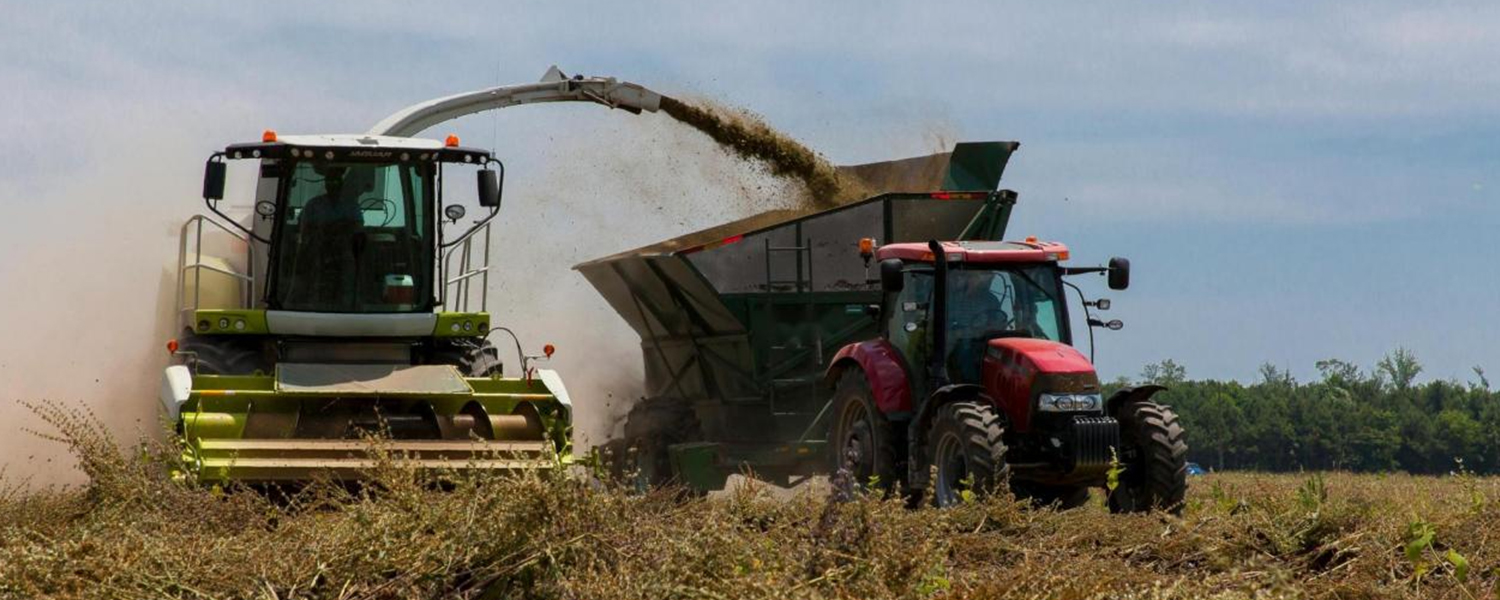
Tractors can be grouped by industry, purpose, structure, and form.
By purpose
▪ Agricultural, forestry, industrial, and military.
▪Industrial types are used for road transport, in-plant moving, construction, and airport operations, though agricultural tractors are the most common overall.
By power source
▪Steam, internal combustion engine (ICE), and electric.
▪Steam tractors were early models; electric tractors use motors powered by batteries or overhead wiring, which is less convenient, so ICE tractors are still the most widely used.
▪Apart from electricity, ICE tractors run on gasoline, LPG, diesel, or heavy oil.
By driving system
▪Wheeled, tracked, and half-tracked.
▪Wheeled tractors are further divided by wheel count: single, two, three, four, or eight wheels.
▪Single- and two-wheel types are mostly walk-behind machines (cultivators or tillers), with the operator walking behind to steer.
▪Three or more wheels are mainly ride-on.
▪Comparison — wheeled vs. tracked tractors
Wheeled advantages
▪Easier to run and maintain.
▪Lower price and widely available.
▪Lighter weight allows higher speeds.
▪Adjustable wheel track to suit different crop row spacing.
Tracked advantages
▪Less slippage and greater traction.
▪Larger ground contact area for rough or loose ground.
▪Lower centre of gravity, suited to slope work.
▪Smaller turning radius and easier steering.
Agricultural tractor types (by operating conditions & crops)
▪Standard: mainly for ploughing, usually track or four-wheel, 40 HP or more.
▪General-purpose: handles ploughing, inter-row weeding, and harvesting; wider speed range, higher ground clearance (45–55 cm) to avoid crop damage, adjustable wheel track; flexible to operate with good driver visibility.
Size classification (by horsepower & weight)
▪Small: 10–20 HP, ~1 tonne.
▪Medium: 20–50 HP, ~2–4 tonnes.
▪Large: 50+ HP, 5+ tonnes.
Special-purpose tractors
▪Tillers: around 10 HP (some up to 15 HP), mainly two-wheel for field ploughing; overseas often used for mowing, sometimes in ride-on four-wheel form.
▪Orchard tractors: streamlined covers and low seat to protect fruit, branches, and driver.
▪Others: four-wheel-drive tractors, tool-carrier tractors, high-clearance models for spraying or harvesting tall crops, and slope-following tractors that keep level while running along contours.
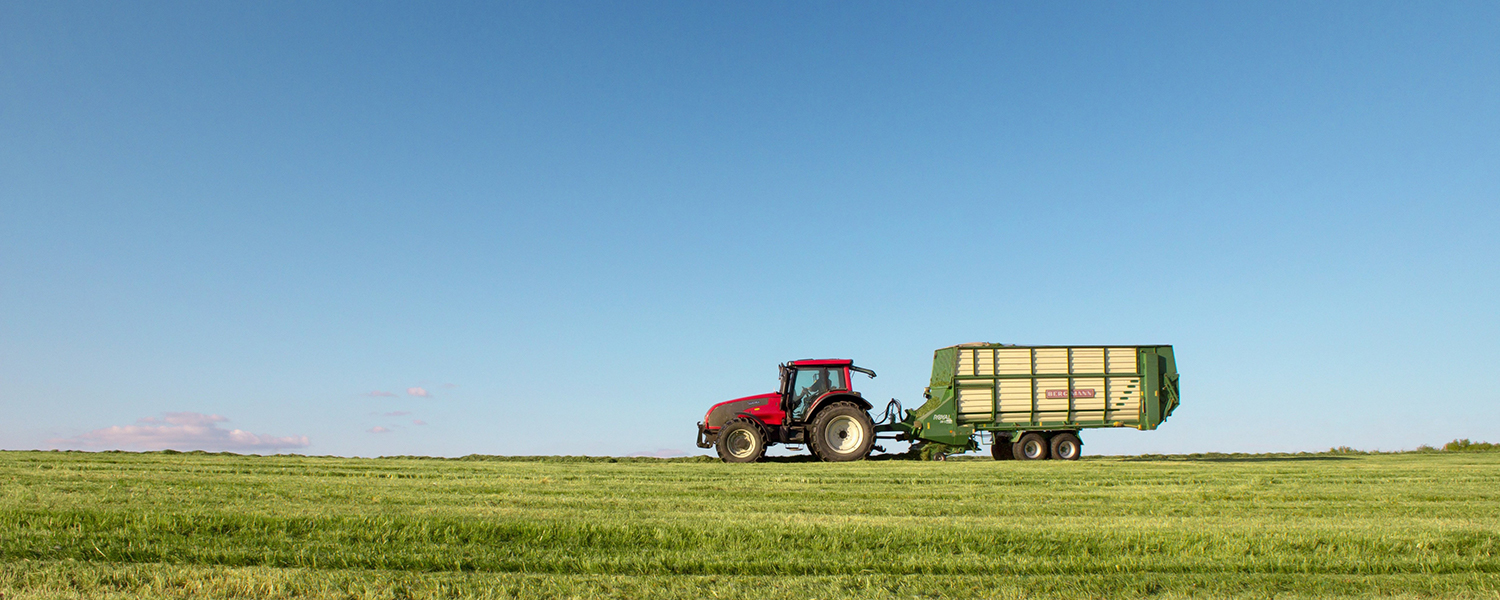
The price of a tractor can differ substantially depending on its size and performance capabilities. For small-scale farming or estate applications, compact models typically start at around 10,000. By contrast, high-horsepower tractors designed for large-scale commercial operation may exceed10,000.By contrast,high-horsepower tractors designed for large-scalecommercialoperationsmayexceed300,000.Major factors influencing cost include engine power, advanced features such as automated guidance systems, and the type of transmission.
In addition to the upfront purchase price, buyers should factor in long-term operating expenses, including maintenance, fuel consumption, and essential implements. Many manufacturers offer financing options to reduce the initial financial burden. Purchasing a used tractor can also provide a more economical alternative, provided it undergoes a thorough inspection to verify its condition and detect any potential mechanical problems.
Conclusion:
In conclusion, the tractor stands as the fundamental engine of modern agriculture, transforming raw power into productive work. From plowing to harvesting, it provides the essential traction and versatility for efficient, large-scale food production. Evolving from simple workhorses to GPS-guided, multi-purpose platforms, tractors are increasingly pivotal in achieving precision and sustainability. While costs vary from thousands for small farms to hundreds of thousands for commercial operations, their value lies in significantly boosting productivity and ensuring global food security. Ultimately, the tractor's enduring role is to empower farmers, enhance efficiency, and sustainably nourish a growing world.


