

Views: 0 Author: Site Editor Publish Time: 2026-05-19 Origin: Site
Modern agricultural efficiency relies heavily on automation. Among the most complex and vital pieces of machinery on the farm is the combine harvester configured for corn. Understanding how these machines operate, from field preparation to mechanical adjustments, is key to maximizing yield and ensuring equipment longevity.
At its core, a corn harvester is designed to consolidate multiple, labor-intensive farming operations into a single, continuous pass. Historically, harvesting corn required separate stages: cutting the stalks, stripping the ears, shelling the kernels, and clearing the field. Modern harvesters integrate all of these steps, drastically reducing labor requirements and compressing harvest timelines.
Beyond speed, the primary value of a corn harvester is efficiency optimization. By precisely controlling mechanical movements, these machines minimize grain loss—such as ears dropped in the field or kernels damaged during threshing—ensuring that the maximum possible percentage of the planted crop successfully makes it to the grain tank.
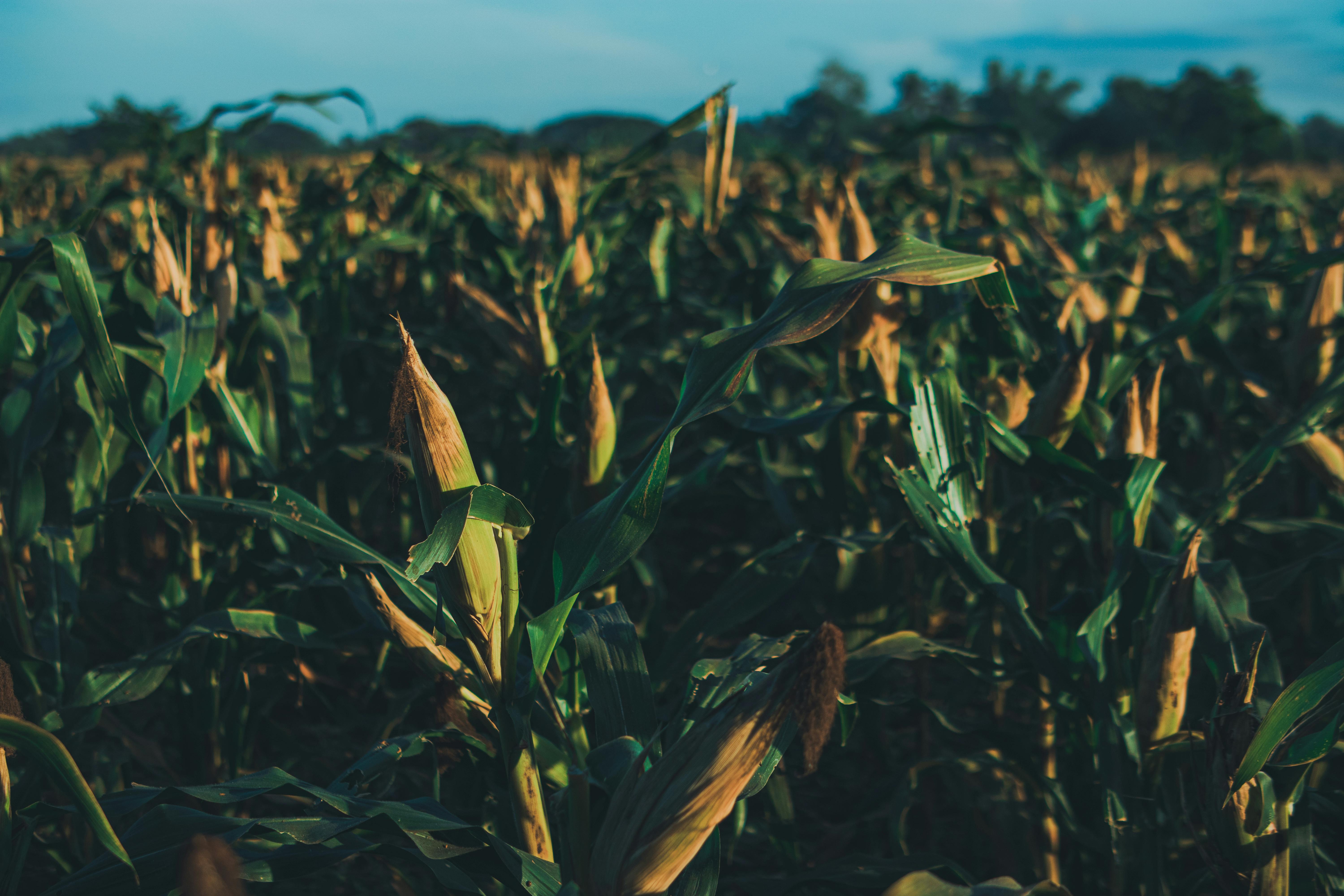
A successful harvest begins before the machine ever enters the field. Proper preparation creates the foundation for smooth, uninterrupted mechanical operation.
Harvesting too early results in high moisture levels, leading to mold and high drying costs. Harvesting too late increases the risk of lodging (stalks falling over) and kernel shattering.
The Ideal Window: Corn is typically ready for mechanical harvesting when the kernels reach physiological maturity (indicated by a "black layer" forming at the base of the kernel) and moisture content drops to an ideal range, usually between 15% and 25% depending on whether you are harvesting whole ears or shelled kernels.
Before deploying the harvester, operators must scout and prepare the terrain:
Obstacle Clearance: Large rocks, tree branches, or irrigation debris must be removed to prevent catastrophic damage to the header.
Regional Adaptation: Openings or "headlands" should be pre-cut at the edges of the field to give the large machine adequate space to turn around without trampling unharvested crops.
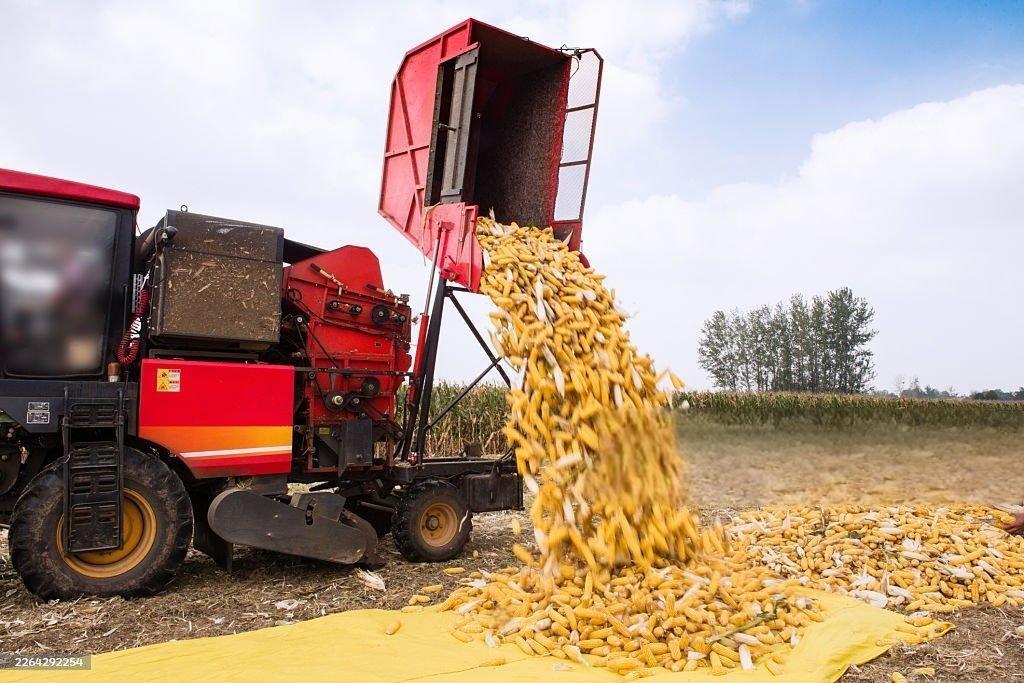
Once the machine drives into the standing crop, a highly synchronized four-step mechanical process begins.
The process begins at the header, the front attachment of the combine specialized for corn.
Mechanical Action: As the harvester moves forward, gathering chains guide the standing corn stalks into the row units. Beneath the chains, counter-rotating snap rolls pull the corn stalks downward. Because the corn ear is too large to pass through the stripping plates above the rolls, it is snapped cleanly off the stalk.
Height Adjustment: The operator must dynamically adjust the header height. If it is too high, low-hanging ears are missed. If it is too low, the header gathers excessive dirt, rocks, and unnecessary stalk residue, causing internal clogging and wear.
Once the ears are separated, a conveyor chain moves them into the heart of the combine: the threshing and cleaning systems.
Threshing: The ears enter a longitudinal or transverse rotating rotor. The rotor rubs the ears against a metal grate called the concave. This intense but controlled friction shells the individual kernels away from the wooden cob.
Cleaning: The mix of kernels, cob fragments, and husks (chaff) falls onto a series of vibrating screens (sieves). A powerful cleaning fan blows a stream of air upward through the sieves. Because the chaff is lighter than the heavy corn kernels, the air blows the debris out the back of the machine, while the clean kernels fall through the sieves.
Breakage Prevention: To avoid cracking kernels, operators must precisely balance the rotor speed and the concave gap. If the corn is dry, a wider gap and slower speed are required to prevent kernel breakage.
What happens to the leftover plant material? As the stripped stalks pass beneath the header, integrated stalk choppers or flail mowers crush the residue.
Field Return: Chopping the straw into fine pieces and spreading it evenly across the field returns vital organic nutrients to the soil and protects against winter erosion.
Alternative Baling: In some operations, the residue is left intact or windrowed so it can later be baled for livestock bedding or roughage feed.
The final destination for the pristine kernels is the integrated grain tank.
On-Board Storage: An auger system lifts the cleaned kernels into a large hopper behind the cab. When the tank is full, a high-speed unloading auger swings out to transfer the grain into an accompanying tractor trailer or grain truck without requiring the harvester to stop.
Post-Harvest Precautions: Because freshly harvested corn often still contains residual moisture, it must be transferred quickly to a grain dryer or a well-ventilated storage silo within hours to prevent heating, spoilage, and fungal growth.
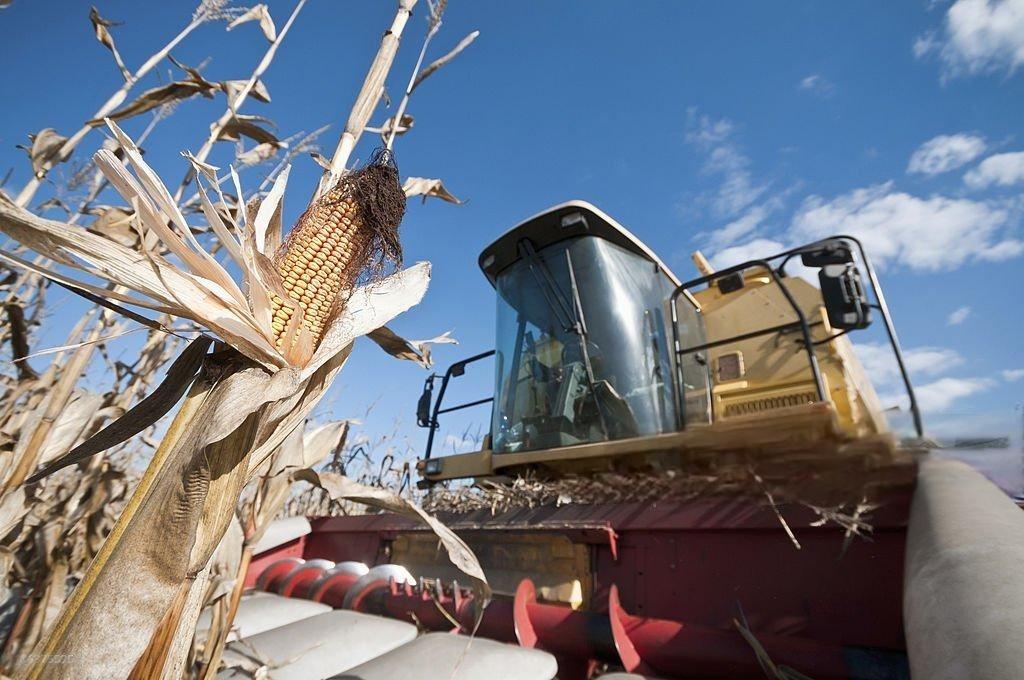
A combine is not a "set-and-forget" machine; it requires constant calibration based on field variables.
High-moisture corn is soft and easily bruised, requiring a gentler threshing action. Low-moisture corn is brittle and prone to cracking, requiring lower rotor speeds.
If recent storms have knocked the corn down, operators must lower the header angle, slow the ground speed, and utilize specialized "crop row savers" or rotating cones to lift the fallen stalks into the snapping rolls.
Operators must regularly check behind the machine. If kernels are found on the ground, the sieve openings or fan speed must be adjusted. If un-shelled cobs are blowing out the back, the concave gap must be tightened.
Corn harvesting generates massive amounts of highly combustible dust, sugars, and residues. Proper post-operation care is critical to preventing farm fires and ensuring the machine survives to the next season.
At the end of every working day, use compressed air or high-pressure leaf blowers to clear corn dust, husks, and stalks from the header, the threshing rotor, and around the engine manifold where heat can ignite debris.
Regularly inspect the high-wear items: sharpness of the chopper blades, tension of the gathering chains, and the integrity of the sieve slats. Bearings must be greased daily to prevent overheating.
Before long-term winter storage, wash the machine thoroughly, coat unpainted metal parts (like the header deck) with anti-rust lubricants, fill the fuel tank to prevent condensation, and protect the electrical wiring from rodents, which are naturally attracted to residual grain dust.
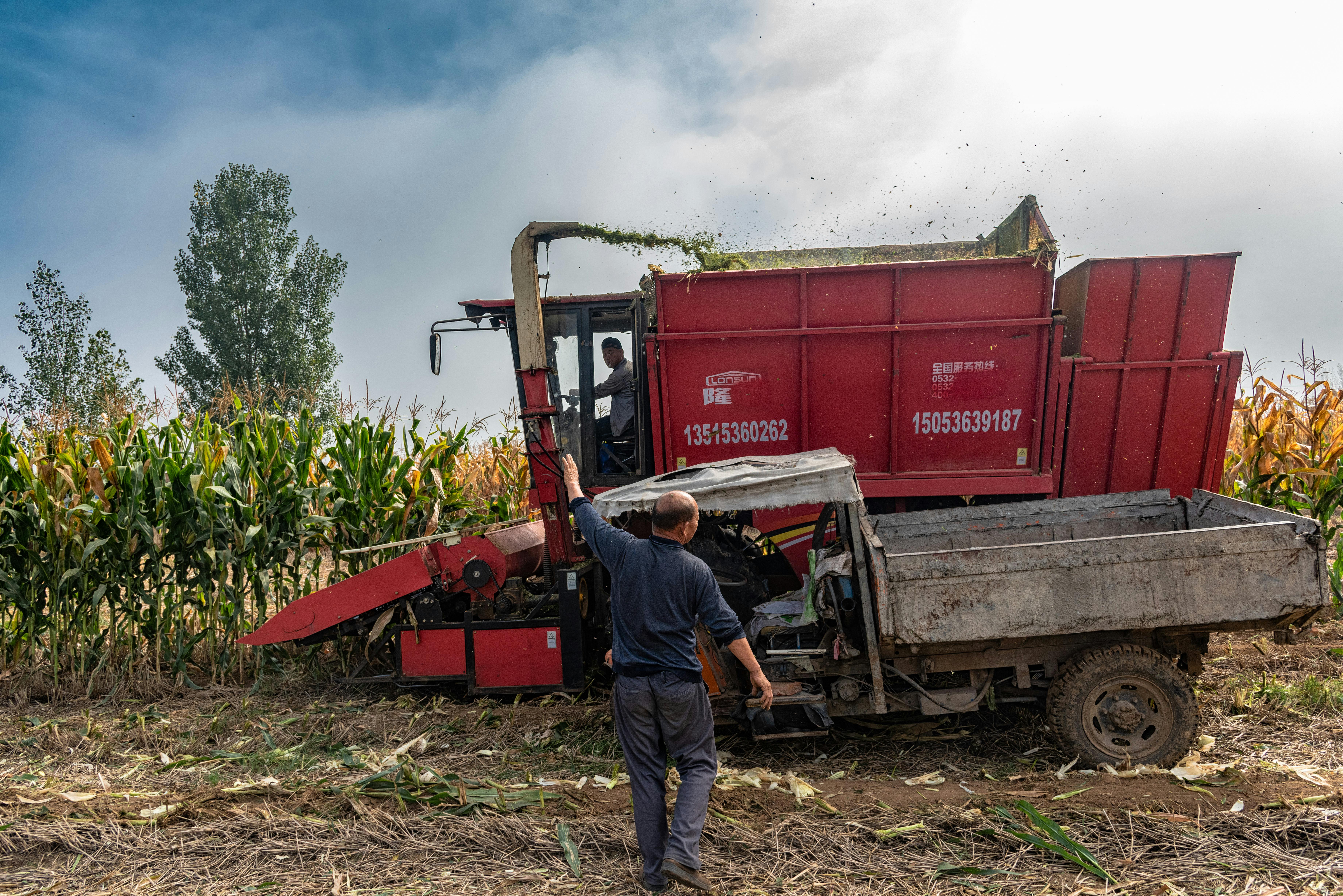
Efficient corn harvesting is a delicate balance of robust machinery and precise, real-time adjustments. From assessing crop maturity before entering the field to dynamically calibrating header height, rotor speed, and fan airflow during operation, every decision directly impacts your total yield and grain quality. By combining these core operational principles with diligent post-harvest maintenance, you can consistently achieve low-loss, high-efficiency harvests year after year while maximizing the lifespan of your investment.
As a leading manufacturer of high-performance agricultural machinery, Agrotianda is dedicated to providing farmers and distributors worldwide with durable, high-efficiency harvesting solutions. We understand that planting densities, row spacings, and terrains vary dramatically across global agricultural hubs, which is why our equipment offers versatile, customizable configurations.
If you are looking to upgrade your harvesting efficiency and lower operational costs, we are here to help:
Tailored Configurations: We match the perfect Corn Header or Complete Combine Harvester to your specific tractor horsepower, local row spacing requirements, and regional field conditions.
Direct Factory Pricing: Benefit from competitive, direct-from-factory quotes with zero middleman markup, significantly optimizing your purchasing budget.
Long-Term Support: Enjoy total peace of mind with our standard one-year warranty, dedicated lifetime parts support, and expert technical guidance.
Send us your specific requirements—such as row count, tractor horsepower, and destination country—and our sales engineers will provide you with detailed product specifications and a competitive factory quote within 24 hours!


